Diabetes rates are lower in high-altitude environments & scientists may have discovered why [View all]
New research points to an unexpected role of red blood cells in controlling blood sugar
By: Science Desk
4 min read Updated: Apr 6, 2026 06:54 PM IST
By: Science Desk
4 min read Updated: Apr 6, 2026 06:54 PM IST
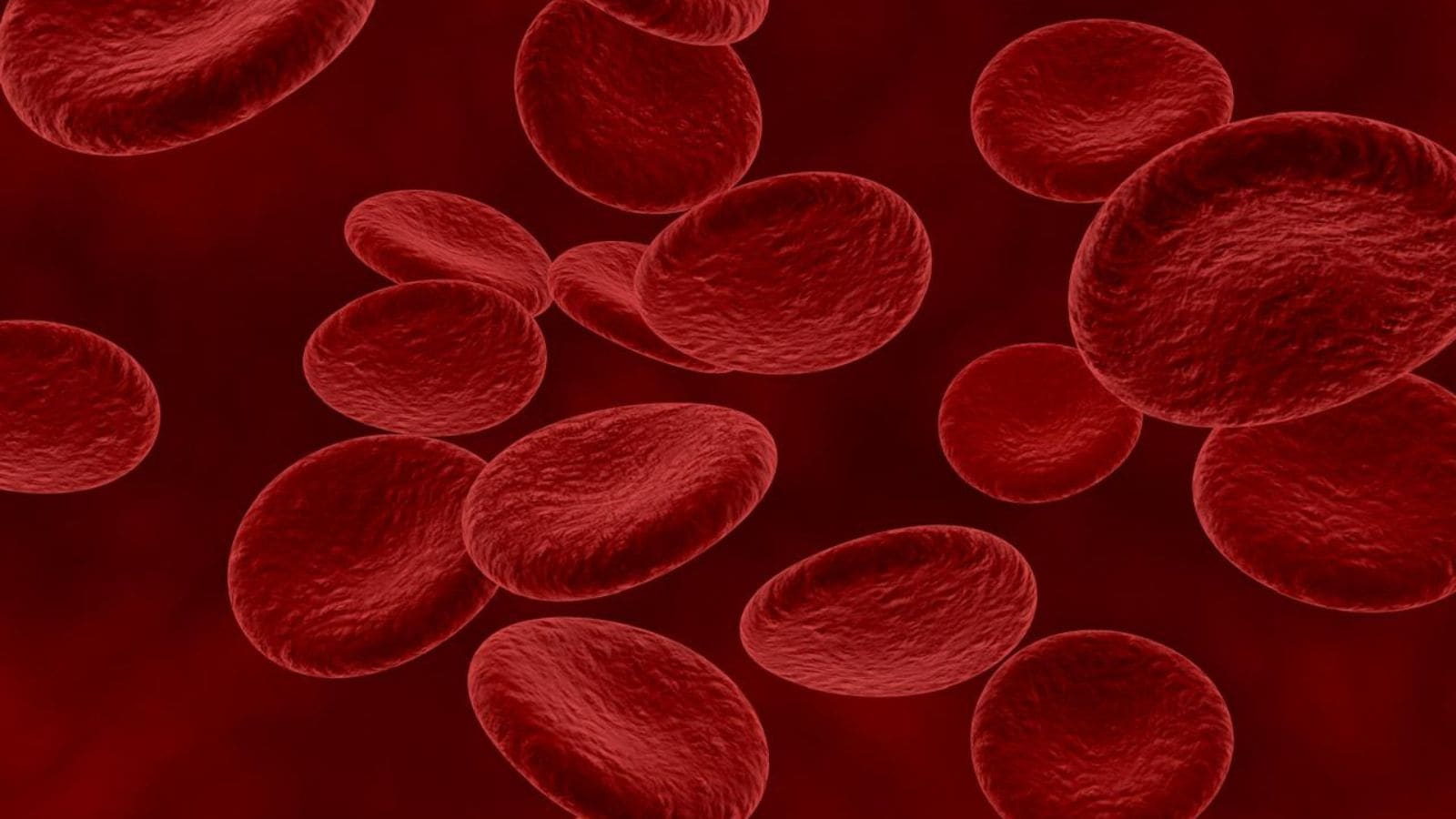
Scientists discovered that red blood cells take up extra glucose from the bloodstream in a low-oxygen atmosphere, rather than utilising it as fuel. (Image for representation: Freepik)Scientists discovered that red blood cells take up extra glucose from the bloodstream in a low-oxygen atmosphere, rather than utilising it as fuel. (Image for representation: Freepik)
For years, scientists have observed a curious pattern: people living at high altitudes, from the Andes to the Himalayas, tend to have lower rates of diabetes. While the link has been clear, the reason behind it has remained uncertain. New research offers a possible explanation, and it centres on how the body behaves in low-oxygen conditions.
Deeper insights into oxygen levels and blood sugar
The human body undergoes various adjustments to cope with hypoxia, which is when the environment lacks oxygen, such as at high altitudes. According to a recent experiment on mice, one of these mechanisms might directly impact blood sugar.
Scientists discovered that red blood cells take up extra glucose from the bloodstream in a low-oxygen atmosphere, rather than utilising it as fuel. These cells instead transform the glucose into a substance that aids in distributing oxygen throughout body tissues.
“The study demonstrates how vital the role of red blood cells is in diabetes management,” Isha Jain, who conducted the study and is a biochemist at the Gladstone Institutes and the University of California, San Francisco, told the Live Science website. “That’s the concept to be targeted in the future.”
More:
https://indianexpress.com/article/technology/science/diabetes-rates-are-lower-in-high-altitude-environments-scientists-may-have-discovered-whydiabetes-rates-are-lower-in-high-altitude-environments-and-scientists-may-have-discovered-why-10622137/

 = new reply since forum marked as read