Science
Related: About this forum
The Effect of Dibutyl Phthalate on Proliferation of Breast Cancer Cells Studied by Mass Spec Imaging.
Last edited Sat Feb 21, 2026, 03:24 PM - Edit history (1)
The paper I'll discuss in this post is this one: Metabolomics and Lipidomics with Mass Spectrometry Imaging Reveal Mechanistic Insights into Dibutyl Phthalate-Promoted Proliferation of Breast Cancer Cell Spheroids Qingyuan Dai, Peisi Xie, Hongli Tan, Jing Zhang, Fuyue Wang, Bo Lei, and Zongwei Cai Environmental Science & Technology Letters 2024 11 (3), 208-215
Now that the US has abrogated scientific leadership in service to a badly educated, ignorant orange pedophile suffering from dementia, it's nice to see China stepping into the opening in human health.
Dibutyl phthalate is a plasticizer and is found in many plastic products.
Mass Spec imaging is a technique using a device called a MALDI (Matrix Assisted Laser Desorption Ionization) that was pioneered by the research group of Dr. Richard Caprioli , a native New Jerseyan, at Vanderbilt University in Nashville Tennessee.
The paper is open to the public to read, nonetheless a few excerpts:
Breast cancer is the most prevalent cancer worldwide, with 2.3 million new cases in 2020. (7) It is also the primary cause of cancer mortality in women (685,000 deaths globally). (7,8) Epidemiological studies have shown that DBP exposure was associated with a nearly 2-fold increased rate of breast cancer. (9,10) Consistent results were also found in several in vitro studies, which showed that DBP can modulate the expression of ERα through DNA hypomethylation or demethylation, even at a very low concentration. (11−14) DBP can also stimulate the aryl hydrocarbon receptor and promote tumorigenesis of ER-negative breast cancer cells. (15) However, most of the studies predominantly focused on gene and protein expression, and the connections between DBP-induced receptor activation and physiological effects in breast cancer remain poorly elucidated, which need further investigations through assessing the downstream metabolic processes. (16−18)
Metabolomics can monitor the holistic changes of metabolites downstream of the genome and proteome, reflecting the physiological activities in cancer. (19,20) Three-dimensional cancer cell spheroid (CCS) is a precise in vitro cancer model for studying the carcinogenic mechanism of environmental pollutants as it closely mimics the complex spatial architecture, microenvironment, and physiological responses of solid tumor tissues. (21) There are proliferative (outer), quiescent (middle), and necrotic (inner) cells in CCS models due to the nutrient and oxygen concentration gradients, and they exert heterogeneity in exogenous stimulus responses, which highlights the importance of considering the various cell statuses in cancer research. Mass spectrometry imaging (MSI) is an innovative label-free technology that can simultaneously obtain chemical information and spatial distribution of diverse molecular species in different regions of CCS which has been used to identify and characterize the biological processes in cancer progression. (22,23) Integrated application of omics and MSI techniques in the CCS model can combine spatial information and in-depth analysis to better understand carcinogenic mechanisms of environmental pollutants... (24)
Figures from the text:
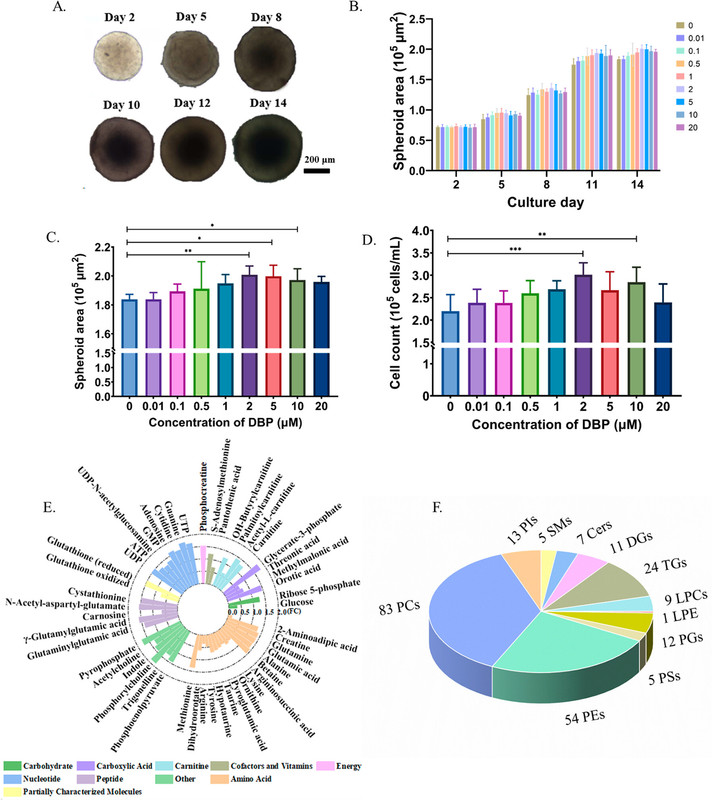
The caption:
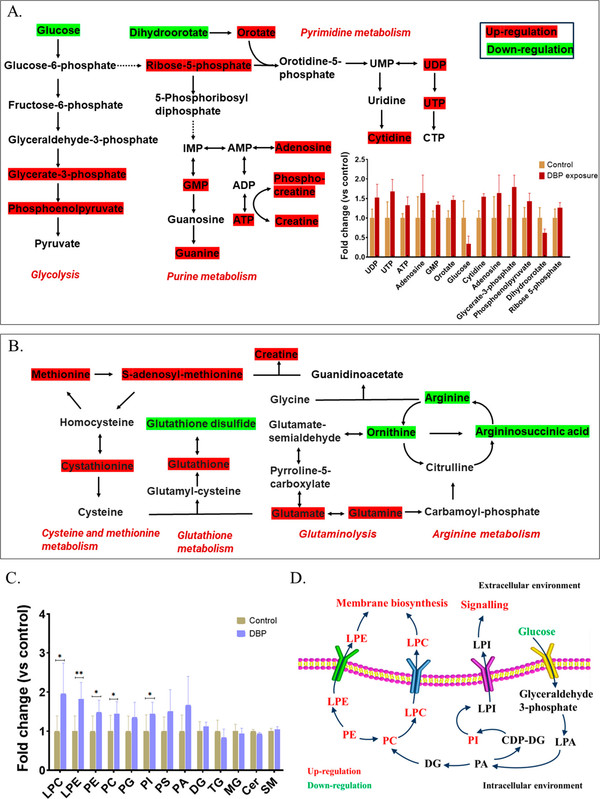
The caption:
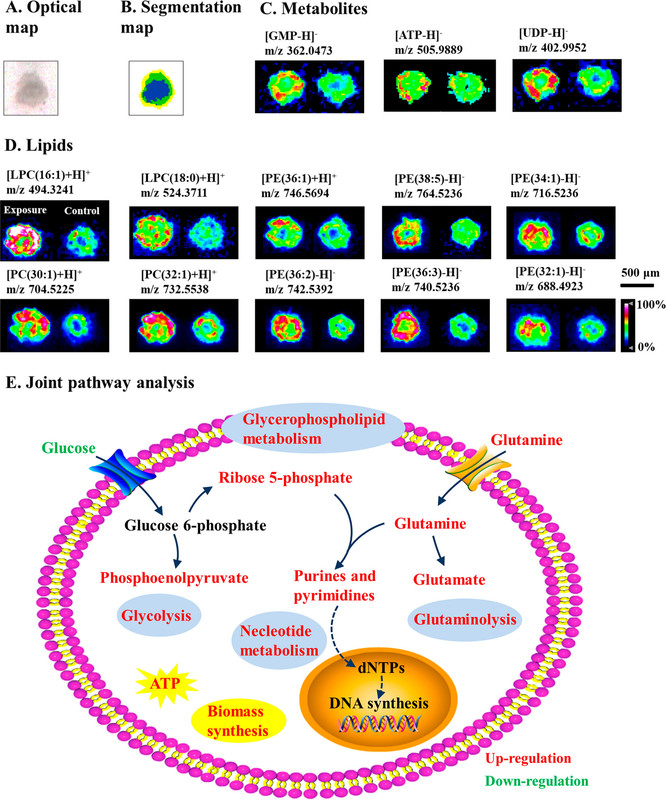
The caption:
From the paper's conclusion:
Have a nice weekend.